Skip to content
Is a Career in Fitness Training Right For You? Take the Readiness Quiz Take the Career Assessment
LIONEL UNIVERSITY • COURSE CATALOG

Explore Lionel University Course Descriptions

Review Lionel University courses, credit values, prerequisites, course lengths, and detailed descriptions across our exercise science, health, fitness, wellness, and professional studies curriculum.

📘 Find the course information you need, including credits, prerequisites, delivery format, and what you can expect to learn.

Master of Science

Review Master's Degree Curriculum & Credits

The Master of Science in Exercise Science is a 45 quarter credit degree designed to build a strong foundation in exercise science, human performance, coaching, and professional practice.

20

Credits of Core Degree Coursework

20

Master's Degree Concentration

5

Capstone Project

Graduate Strength and Conditioning - 20 Credits

Strength and Conditioning Concentration

SC501   Exercise Assessment and Prescription 5 Credits

Learn the foundational principles of exercise assessment, health screening, and program design for diverse populations. Students explore how to evaluate physical activity levels, health risk factors, and fitness readiness while developing safe and effective training strategies.

This course focuses on building practical skills for designing evidence-based exercise prescriptions that improve cardiorespiratory fitness, muscular strength, flexibility, and overall functional health. Special emphasis is placed on flexibility development and low back care for targeted populations.

SC502   Advanced Strength and Conditioning 5 Credits

Learn how to design advanced strength training programs for diverse athletic populations — including youth, women, and older adults — using evidence-based principles.

SC503   Advanced Topics in Fitness Nutrition 5 Credits

Learn how to build sport-specific nutrition strategies that optimize training, recovery, and outcomes for athletes of all levels and disciplines.

SC504   Contemporary Coaching Methods 5 Credits

Study ethical standards, holistic development, and coaching frameworks that support psychological, social, and physical growth across diverse performance levels.

graduate Corporate, Clinical, and Community Wellness - 20 Credits

Corporate, Clinical, and Community Wellness Concentration

CCCW501   Industrial, Clinical, and Corporate Wellness 5 Credits

Learn how to assess employee needs, lead sustainable workplace wellness initiatives, and implement programs that boost health, morale, and organizational performance.

CCCW502   Physical Fitness and Epidemiology 5 Credits

Study the connection between exercise, chronic disease, and population health. Learn how to apply research and epidemiological methods to improve fitness-based prevention strategies.

CCCW503   Organization and Development of School and Community Physical Activity Programs 5 Credits

Explore how to assess needs, build partnerships, and lead initiatives that promote lifelong movement and health across diverse educational and neighborhood settings.

CCCW504   Obesity Prevention and Management 5 Credits

Study how exercise, media, public policy, and community programming can prevent and manage obesity across all populations — with a focus on sustainable, systemic solutions.

Graduate Core Courses - 20 Credits

Master of Science in Exercise Science Coursework

XSCI501   Contemporary Issues in Exercise Science 5 Credits

Explore today’s most pressing issues in exercise science. Gain insight into leadership, research opportunities, and the evolving roles within fitness, sport, and human performance sectors.

XSCI502   Data Analysis in Exercise Science 5 Credits

Learn to collect, analyze, and apply exercise science data. Study research design, test administration, and statistical interpretation. Build skills for evidence-based coaching, performance evaluation, and program improvement.

XSCI503   Advanced Exercise Physiology 5 Credits

Explore advanced systems in exercise physiology. Learn how the body’s major systems respond to training, with emphasis on performance optimization, assessment, weight loss strategies, and disease prevention.

XSCI504   Motor Learning 5 Credits

Explore how people learn to move. Study motor control, skill acquisition, and how coaching enhances motor learning. Apply real-world strategies to help individuals perform, adapt, and improve.

Graduate Fitness Leadership Concentration
 - 20 Credits

Fitness Leadership Concentration

FL501   Leadership and Professional Development 5 Credits

Conduct personal assessments, develop a leadership vision, and grow the skills to lead ethically, courageously, and confidently in today’s fitness and wellness landscape.

FL502   Advanced Business Aspects of Fitness 5 Credits

Learn how to lead and manage successful health and fitness centers. Topics include HR, membership management, facility operations, finance, and business leadership.

FL503   Professional Communication 5 Credits

Learn how to communicate confidently, clearly, and persuasively in fitness, wellness, and leadership settings. Build written, verbal, and critical thinking skills that inspire action.

FL504   ECommerce and Internet Presence 5 Credits

Explore how to build e-commerce websites, integrate payment platforms, and use technology to connect with clients and sell services in the digital marketplace.

Bachelor of science

Review Bachelor Degree Curriculum & Credits

The Bachelor of Science in Exercise Science is a 180-quarter-credit degree designed to build a strong foundation in exercise science, human performance, coaching, and professional practice.

36

Credits of Core Degree Coursework

48

General Education

36

Bachelor's Degree Concentration

60

Exercise Science Core Courses

bachelor of science Core Courses - 36 Credits

Bachelor's Degree Coursework

Build the scientific, assessment, coaching, and professional foundations needed for advanced study in exercise science and human performance.

XSCI110   From Physical Culture to Exercise Science: History and Evolution of the Profession 4 Credits

This course develops an advanced understanding of the progression from physical culture to exercise science with a focus on improving human performance, movement efficiency, and training outcomes. Students apply scientific principles to design and implement effective performance strategies.

XSCI130   Functional Anatomy and Physiology 4 Credits

This course provides foundational knowledge in functional anatomy and physiology, helping students understand key scientific principles that support health and human performance.

XSCI240   Applied Biomechanics and Movement Analysis 4 Credits

This course develops an advanced understanding of applied biomechanics and movement analysis with a focus on improving human performance, movement efficiency, and training outcomes. Students apply scientific principles to design and implement effective performance strategies.

XSCI242   Training Principles and Program Design 4 Credits

This course develops essential skills through training principles and program design, supporting academic success and professional readiness across disciplines.

XSCI243   Movement and Performance Assessment Methods: Administration, Scoring, and Reporting 4 Credits

This course develops an advanced understanding of movement and performance assessment methods with a focus on improving human performance, movement efficiency, and training outcomes. Students apply scientific principles to design and implement effective performance strategies.

NTR243   Cellular Nutrition: Micronutrients, Hydration, and Supplementation 4 Credits

Description pending.

XSCI245   Exercise Programming for Special Populations: Metabolic, Cardiovascular, Orthopedic, and Aging Considerations 4 Credits

This course develops an advanced understanding of exercise programming for special populations with a focus on improving human performance, movement efficiency, and training outcomes. Students apply scientific principles to design and implement effective performance strategies.

XSCI246   The Science of Behavior Change: Motivation, Adherence, and Coaching Communication 4 Credits

This course develops coaching and communication strategies through the science of behavior change, focusing on behavior change, client engagement, motivation, adherence, and long-term success.

XSCI248   Client Acquisition and Practice Development in Health and Performance 4 Credits

This course develops an advanced understanding of client acquisition and practice development in health and performance. Students develop professional skills that support client engagement, service delivery, and sustainable professional practice.

bachelor of science GENERAL EDUCATION - 48 Credits

Bachelor's Degree General Education

Develop the scientific, quantitative, communication, social science, and critical-thinking skills needed for success in Exercise Science and related professional environments.

BIO105   Anatomy and Physiology 5 Credits

This course covers principles related to anatomy, physiology, biomechanics, client assessment, exercise program design, general nutrition principles, motivation, special populations, and injury prevention.

BIO105L   Anatomy and Physiology Lab 3 Credits

Human Anatomy and Physiology Lab is a study of the cells, tissues, and organ systems of the human body. Students examine the anatomy and basic functions of major organ systems, including the integumentary, skeletal, muscular, nervous, endocrine, circulatory, lymphatic, respiratory, digestive, urinary, and reproductive systems.

ENG110   English Composition 5 Credits

Students develop the writing process by learning to plan, draft, revise, and polish clear and professional written communication. The course builds writing skills applicable to academic, business, and coaching environments.

HIST102   U.S. History 5 Credits

Students study the social, political, and economic forces that shaped the United States from its early beginnings through the Civil War while developing historical perspective applicable to contemporary society and leadership.

MATH102   College Math 5 Credits

Students build practical mathematical skills through ratios, percentages, measurements, and solving for unknowns in real-world situations relevant to health, fitness, business, and everyday decision-making.

PSY102   General Psychology 5 Credits

Students explore how people think and behave while learning psychological principles applicable to leadership, communication, coaching, motivation, and everyday life.

SOC101   Introduction to Sociology 5 Credits

Students examine how society shapes behavior through topics including culture, inequality, family, social institutions, and social change. The course develops understanding of how individuals and communities interact within diverse social environments.

MATH303   Statistics 5 Credits

This course includes data presentation and summarization, introductory probability concepts and distributions, statistical inference, estimation, hypothesis testing, comparison of populations, correlation, and regression.

HIST303   History of Sport 5 Credits

This course examines the history of American sport from its colonial beginnings through its development into a major cultural and economic institution. Students explore how sport has reflected and influenced political, economic, and cultural developments while examining issues related to race, gender, class, and nationalism.

CHEM303   Introduction to Chemistry 5 Credits

This course provides an overview of general, organic, and biological chemistry. Students develop key chemistry and quantitative skills while examining scientific concepts relevant to health and human performance, including the chemical structures and functions of carbohydrates, proteins, and other biological compounds.

bachelor of science CONCENTRATIONS — 36 CREDITS

Bachelor's Degree Concentrations

Select a concentration aligned with your professional goals. 

Strength and Conditioning 36 Credits
XSCI257   Performance Training for Groups and Teams 5 Credits

This course examines the scientific principles and applied methodologies required to design and lead structured performance training for groups and teams. Students explore musculoskeletal and physiological foundations, biomechanics, energy systems, and training adaptations within collective training environments. Emphasis is placed on group assessment strategies, periodization, exercise scaling and modification, safety management, equipment utilization, and session structure across cardiovascular, strength, and conditioning formats.

XSCI255   Performance Enhancement and Training Science 5 Credits

This course examines the scientific principles and applied methodologies of performance enhancement for athletic populations. Students explore neuromuscular physiology, biomechanics, bioenergetics, performance assessment, resistance training systems, power development, and periodization models. Emphasis is placed on sport-specific program design, seasonal training adaptation, recovery strategies, injury prevention, performance nutrition, supplementation science, and sport psychology principles.

XSCI274   Coaching Greatness: Leadership, Culture, and High-Performance Development 3 Credits

This course examines leadership development and high-performance coaching principles within exercise and human performance environments. Students explore identity formation, emotional intelligence, communication strategies, culture-building practices, professional standards, and the interpersonal skills that define effective leadership.

PD101   Train to Win: The ROAR Class 4 Credits

This course introduces students to Lionel University and prepares them for academic, personal, and professional success in Exercise Science and Human Performance. Using the Train to Win framework, students engage in structured self-reflection, skill development, and leadership application through the ROAR model: Reflect, Own, Align, and Rise.

PD103   Professional and Career Development 4 Credits

This course prepares students to take the first and next steps in their careers. Students explore career opportunities, develop a professional resume and cover letter, create an effective elevator pitch, and build interviewing and professional-readiness skills.

XSCI258   Movement Dysfunction and Corrective Strategies 5 Credits

This course examines evidence-based corrective strategies designed to address movement dysfunction and restore performance capacity. Students explore skeletal, muscular, and neuromuscular system interactions associated with faulty movement patterns, joint instability, soft-tissue restrictions, and motor-control deficits. Emphasis is placed on movement analysis, stability and mobility integration, functional assessment, corrective programming, and professional scope of practice.

XSCI277   Obstacle Course and Tactical Performance Training 5 Credits

This course examines performance-development strategies specific to obstacle course racing and tactical-style endurance events. Students analyze metabolic demands, movement patterns, grip-strength development, load carriage, climbing mechanics, and hybrid strength-endurance integration. Emphasis is placed on needs analysis, acute-variable manipulation, seasonal preparation, hydration and fueling strategies, psychological resilience, and integrated strength, endurance, mobility, and mental-preparedness programming.

XSCI367   Hypertrophy Science and Physique Development 5 Credits

This course provides an in-depth scientific and practical exploration of the art and science of bodybuilding and physique development. Topics include advanced applied anatomy, hypertrophy physiology, biomechanics, nutrition for cutting and bulking, endocrine regulation, posing, peaking strategies, physique assessment, recovery modalities, injury risk factors, and competition preparation.

Fitness Leadership and Management 36 Credits
COMM161   Business Communications 5 Credits

This course explores the principles and techniques of effective written business communication. Stu-dents will discuss, critique, and practice business writing strategies to produce good-news messages, bad-news messages, persuasive messages, reports, proposals and presentations, while developing critical thinking, researching and interviewing skills. Business communication in a global business environment is also emphasized.

XSCI280   Exercise Facility Administration and Leadership 5 Credits

This course examines leadership theory and administrative principles within exercise, sport, and performance facility environments. Students explore organizational leadership models, emotional intelligence, strategic vision development, culture-building practices, operational decision-making, change management, diversity and inclusion, and professional development systems. Emphasis is placed on applying leadership frameworks to sports and fitness organizations to promote performance excellence, ethical practice, and sustainable organizational growth.

COMM203   Customer Service Principles 3 Credits

This course focuses on the professional communication and service skills needed to improve member experience and retention in health clubs, fitness facilities, wellness centers, and performance environments. Students examine active listening, professional presence, behavioral style awareness, inclusive communication, service recovery, and consistent follow-through while exploring how customer experience influences trust, engagement, loyalty, belonging, and referrals.

PD101   Train to Win: The ROAR Class 4 Credits

This course introduces students to Lionel University and prepares them for academic, personal, and professional success through structured reflection, personal ownership, alignment, leadership, and professional development.

PD103   Professional and Career Development 4 Credits

Students develop career-readiness skills including professional resumes, cover letters, interviewing, career exploration, and professional communication.

XSCI372   Contemporary Issues in Fitness 5 Credits

This course examines current issues in modern sport and fitness. Students explore opportunities within the sports and fitness management sector, develop management skills applicable across industry settings, and examine major challenges affecting different segments of the sports industry.

BUS117   Motivating for Performance 5 Credits

This course introduces key concepts related to the behaviors managers need to motivate people to perform. Students examine goal setting, performance rewards, individual beliefs and needs, fair performance assessment, employee motivation, and factors that contribute to workforce satisfaction and performance.

COMM102   Effective Communication 5 Credits

Communication skills are developed through the use of effective listening, speaking, and writing skills. The student will develop the ability to speak clearly and effectively by learning to plan, compose and deliver ideas. Emphasis is on the global, ethical, technological, and customer service aspects of communication.

Personal Training 36 Credits
XSCI258   Movement Dysfunction and Corrective Strategies 5 Credits

This course examines evidence-based corrective strategies designed to address movement dysfunction and restore performance capacity. Students explore skeletal, muscular, and neuromuscular system interactions as they relate to faulty movement patterns, joint instability, soft-tissue restrictions, and motor-control deficits. Emphasis is placed on movement analysis, stability and mobility integration, functional assessment, corrective exercise programming, and professional scope of practice.

XSCI257   Performance Training for Groups and Teams 5 Credits

This course examines the scientific principles and applied methodologies required to design and lead structured performance training for groups and teams. Students explore biomechanics, energy systems, training adaptations, group assessment strategies, program design, exercise modification, safety management, and professional leadership within group-based performance settings.

XSCI274   Coaching Greatness: Leadership, Culture, and High-Performance Development 3 Credits

This course examines leadership development and high-performance coaching principles within exercise and human performance environments. Students develop communication, emotional intelligence, culture-building, identity, and leadership skills applicable to individual and group coaching.

PD101   Train to Win: The ROAR Class 4 Credits

Students develop academic, personal, and professional skills through the Train to Win framework and the ROAR model: Reflect, Own, Align, and Rise.

PD103   Professional and Career Development 4 Credits

Students develop career-readiness skills through career exploration, resume and cover-letter development, interviewing preparation, professional communication, and personal branding.

HSCI253  
Communication and Connection in Coaching 5 Credits

This course examines communication and relationship-building as essential components of effective coaching. Students develop strategies for active listening, effective questioning, client-centered communication, and building trust and rapport. Emphasis is placed on understanding individual motivations, strengthening client engagement, navigating communication challenges, and creating supportive coaching relationships that encourage meaningful and sustainable change.

XSCI273   Evidence-Based Supplementation Strategies 5 Credits

Description coming soon.

XSCI367   Hypertrophy Science and Physique Development 5 Credits

Description coming soon.

Wellness 36 Credits
XSCI369   Respiratory Physiology and Performance Breathing Strategies 5 Credits

Description coming soon.

HSCI255   Applied Coaching for Behavior Change and Client Outcomes 5 Credits

This advanced course focuses on the application of coaching frameworks to facilitate sustainable behavior change and improve client outcomes. Students integrate assessment, communication, and behavior-change strategies to design and implement personalized coaching interventions. Emphasis is placed on promoting client autonomy, enhancing motivation, and supporting long-term adherence in health and performance settings.

HSCI254   Integrated Client Assessment and Behavior Strategy Design 3 Credits

This course prepares students to assess clients holistically by examining behavioral, environmental, and lifestyle factors that influence health and performance. Students learn to identify root causes of client challenges, analyze patterns in behavior and decision-making, and synthesize findings into actionable, evidence-based coaching strategies. Emphasis is placed on integrating assessment data to design personalized interventions that support sustainable behavior change.

PD101   Train to Win: The ROAR Class 4 Credits

Students develop academic, personal, leadership, and professional skills through the ROAR framework: Reflect, Own, Align, and Rise.

PD103   Professional and Career Development 4 Credits

Students prepare for professional opportunities through career exploration, resume and cover-letter development, interviewing skills, professional communication, and career planning.

NUT244   Nutrition in Context 5 Credits

This course explores nutrition in context: diets, culture, and critical analysis and its impact on health, performance, and recovery. Students apply nutrition science to support real-world coaching and sustainable client outcomes.

HSCI251   Foundations of Coaching Identity and Professional Practice 5 Credits

This course introduces the foundational principles of effective coaching practice, with an emphasis on developing a professional coaching identity and approach. Students explore coaching methodologies, professional standards, ethical practice, and strategies for supporting client development and behavior change. The course prepares students to establish a purposeful and professional approach to coaching within health, fitness, wellness, and exercise-related settings.

XSCI273   Evidence-Based Supplementation Strategies 5 Credits

Description pending.

Exercise Science CORE - 60 Credits

Exercise Science Core Courses

Advanced coursework builds deeper competency in rehabilitation, lifespan performance, nutrition and metabolism, psychology, communication, kinesiology, biomechanics, exercise physiology, research, and professional application.

XSCI253   Continuum of Care and Return-to-Performance Principles 5 Credits

This course examines foundational and applied principles of therapeutic exercise within the continuum of musculoskeletal rehabilitation and return-to-performance models. Students explore tissue healing physiology, clinical assessment techniques, therapeutic exercise progressions, neuromotor control development, and functional reintegration strategies. Emphasis is placed on evidence-based decision-making, movement analysis, corrective programming, and professional scope of practice.

XSCI254   Youth Athletic Development 5 Credits

This course examines physiological growth, maturation, and long-term athletic development principles as they relate to children and adolescents. Students explore pediatric metabolism, musculoskeletal development, neuromuscular coordination, body composition assessment, and age-appropriate training adaptation. Emphasis is placed on motor skill acquisition, strength and endurance development, plyometric training, sport psychology, youth nutrition, injury prevention, and safe program design.

XSCI256   Exercise Programming for Aging and Longevity 5 Credits

This course provides an evidence-based examination of exercise programming for older adults grounded in aging physiology, functional health, and longevity. Students examine age-related changes across cardiovascular, pulmonary, musculoskeletal, endocrine, neurological, and metabolic systems and apply appropriate assessment and screening strategies. Emphasis is placed on supporting functional independence, chronic disease management, fall prevention, and quality of life.

XSCI259   Advanced Nutrition and Metabolism for Human Performance 5 Credits

This course provides an advanced, evidence-based examination of nutrition science and metabolic physiology as they relate to human performance, exercise adaptation, and body composition management. Students explore digestion and nutrient metabolism, macronutrients, micronutrients, nutrient timing, hydration and electrolytes, supplementation science, body composition, and nutrition for special populations.

XSCI261   Advanced Behavior Change Psychology 5 Credits

This course examines advanced psychological theories and applied behavior-change strategies within exercise and human performance environments. Students explore the Transtheoretical Model of Change, Motivational Interviewing, Positive Psychology, Social Cognitive Theory, commitment strategies, readiness for change, intrinsic motivation, and structured transformation frameworks.

XSCI272   Presenting Greatness 5 Credits

This course examines advanced public speaking and leadership communication strategies within performance, educational, and professional environments. Students develop skills in message construction, audience analysis, storytelling, delivery mechanics, rehearsal methodology, feedback integration, persuasive communication, stage presence, and professional confidence.

XSCI371   Principles of Kinesiology 5 Credits

Students develop familiarity with the vocabulary and foundational principles of human anatomy and movement. The course examines how the nervous, circulatory, pulmonary, skeletal, and muscular systems contribute to movement and physical activity while helping students develop the ability to identify and address movement-related problems.

XSCI298   Inclusive Human Performance and Adaptive Training 5 Credits

This course prepares students to design and implement exercise programs for individuals with diverse needs, including those with injuries, chronic conditions, physical limitations, and varying levels of ability. Students examine adaptive training, inclusive coaching, individualized program design, movement modification, safety, and strategies for maintaining performance outcomes while addressing individual needs.

XSCI376   Research Methods 5 Credits

This course covers the application of evidence-based practice in exercise science. Students learn about the important characteristics of evidence-based practice, the origins of evidence-based practice, and the practical application of evidence-based practice in exercise science. Topics covered include sources of evidence, reading and interpreting research evidence, developing a question, searching for evidence, evaluating evidence, incorporating evidence into practice, confirming evidence in the individual, and reevaluating evidence.

XSCI481   Principles of Biomechanics 5 Credits

Students learn fundamental principles of biomechanics and their application to sport and human performance. Topics include kinetics, kinematics, forces, movement analysis, anatomical terminology, and the identification and correction of performance errors. Students apply biomechanical concepts to movement of the athlete, implements, opposition, and movement through fluid.

XSCI482   Physiology of Exercise 5 Credits

Students develop an understanding of physiological responses and adaptations to exercise and learn how to evaluate progress toward fitness and performance goals. The course prepares students to apply exercise physiology principles when working with diverse individuals and performance needs.

XSCI498   Capstone in Exercise Science 5 Credits

Students complete a culminating research project integrating theories, research methods, analytical skills, and substantive knowledge gained throughout the undergraduate Exercise Science curriculum. Research may incorporate principles of exercise and training, exercise techniques, program design and prescription, and testing and assessment of fitness, health, wellness, and human performance.

associate of science

Review Associate's Degree Curriculum & Credits

The Associate of Science in Exercise Science is a 90-quarter-credit degree curriculum designed to build a strong foundation in exercise science and professional practice.

36

Credits of Core Degree Coursework

33

General Education

21

Concentration Coursework

Associate of science Core Courses - 36 Credits

Associate's Degree Coursework

Build the scientific, assessment, coaching, and professional foundations needed for advanced study in exercise science and human performance.

XSCI110   From Physical Culture to Exercise Science: History and Evolution of the Profession 4 Credits

This course develops an advanced understanding of the progression from physical culture to exercise science with a focus on improving human performance, movement efficiency, and training outcomes. Students apply scientific principles to design and implement effective performance strategies.

XSCI130   Functional Anatomy and Physiology 4 Credits

This course provides foundational knowledge in functional anatomy and physiology, helping students understand key scientific principles that support health and human performance.

XSCI240   Applied Biomechanics and Movement Analysis 4 Credits

This course develops an advanced understanding of applied biomechanics and movement analysis with a focus on improving human performance, movement efficiency, and training outcomes. Students apply scientific principles to design and implement effective performance strategies.

XSCI242   Training Principles and Program Design 4 Credits

This course develops essential skills through training principles and program design, supporting academic success and professional readiness across disciplines.

XSCI243   Movement and Performance Assessment Methods: Administration, Scoring, and Reporting 4 Credits

This course develops an advanced understanding of movement and performance assessment methods with a focus on improving human performance, movement efficiency, and training outcomes. Students apply scientific principles to design and implement effective performance strategies.

NTR243   Cellular Nutrition: Micronutrients, Hydration, and Supplementation 4 Credits

Description pending.

XSCI245   Exercise Programming for Special Populations: Metabolic, Cardiovascular, Orthopedic, and Aging Considerations 4 Credits

This course develops an advanced understanding of exercise programming for special populations with a focus on improving human performance, movement efficiency, and training outcomes. Students apply scientific principles to design and implement effective performance strategies.

XSCI246   The Science of Behavior Change: Motivation, Adherence, and Coaching Communication 4 Credits

This course develops coaching and communication strategies through the science of behavior change, focusing on behavior change, client engagement, motivation, adherence, and long-term success.

XSCI248   Client Acquisition and Practice Development in Health and Performance 4 Credits

This course develops an advanced understanding of client acquisition and practice development in health and performance. Students develop professional skills that support client engagement, service delivery, and sustainable professional practice.

Associate of science GENERAL EDUCATION - 33 Credits

Associate's Degree General Education

Develop the scientific, quantitative, communication, social science, and critical-thinking skills needed for success in Exercise Science and related professional environments.

BIO105   Anatomy and Physiology 5 Credits

This course covers principles related to anatomy, physiology, biomechanics, client assessment, exercise program design, general nutrition principles, motivation, special populations, and injury prevention.

BIO105L   Anatomy and Physiology Lab 3 Credits

Human Anatomy and Physiology Lab is a study of the cells, tissues, and organ systems of the human body. Students examine the anatomy and basic functions of major organ systems, including the integumentary, skeletal, muscular, nervous, endocrine, circulatory, lymphatic, respiratory, digestive, urinary, and reproductive systems.

ENG110   English Composition 5 Credits

Students develop the writing process by learning to plan, draft, revise, and polish clear and professional written communication. The course builds writing skills applicable to academic, business, and coaching environments.

HIST102   U.S. History 5 Credits

Students study the social, political, and economic forces that shaped the United States from its early beginnings through the Civil War while developing historical perspective applicable to contemporary society and leadership.

MATH102   College Math 5 Credits

Students build practical mathematical skills through ratios, percentages, measurements, and solving for unknowns in real-world situations relevant to health, fitness, business, and everyday decision-making.

PSY102   General Psychology 5 Credits

Students explore how people think and behave while learning psychological principles applicable to leadership, communication, coaching, motivation, and everyday life.

SOC101   Introduction to Sociology 5 Credits

Students examine how society shapes behavior through topics including culture, inequality, family, social institutions, and social change. The course develops understanding of how individuals and communities interact within diverse social environments.

Associate of science CONCENTRATIONS — 21 CREDITS

Choose Your Associate's Degree Concentration

Select a concentration aligned with your professional goals.

Strength and Conditioning 21Credits
XSCI257   Performance Training for Groups and Teams 5 Credits

This course examines the scientific principles and applied methodologies required to design and lead structured performance training for groups and teams. Students explore musculoskeletal and physiological foundations, biomechanics, energy systems, and training adaptations within collective training environments. Emphasis is placed on group assessment strategies, periodization, exercise scaling and modification, safety management, equipment utilization, and session structure across cardiovascular, strength, and conditioning formats.

XSCI255   Performance Enhancement and Training Science 5 Credits

This course examines the scientific principles and applied methodologies of performance enhancement for athletic populations. Students explore neuromuscular physiology, biomechanics, bioenergetics, performance assessment, resistance training systems, power development, and periodization models. Emphasis is placed on sport-specific program design, seasonal training adaptation, recovery strategies, injury prevention, performance nutrition, supplementation science, and sport psychology principles.

XSCI274   Coaching Greatness: Leadership, Culture, and High-Performance Development 3 Credits

This course examines leadership development and high-performance coaching principles within exercise and human performance environments. Students explore identity formation, emotional intelligence, communication strategies, culture-building practices, professional standards, and the interpersonal skills that define effective leadership.

PD101   Train to Win: The ROAR Class 4 Credits

This course introduces students to Lionel University and prepares them for academic, personal, and professional success in Exercise Science and Human Performance. Using the Train to Win framework, students engage in structured self-reflection, skill development, and leadership application through the ROAR model: Reflect, Own, Align, and Rise.

PD103   Professional and Career Development 4 Credits

This course prepares students to take the first and next steps in their careers. Students explore career opportunities, develop a professional resume and cover letter, create an effective elevator pitch, and build interviewing and professional-readiness skills.

Fitness Leadership and Management 21 Credits
COMM161   Business Communications 5 Credits

This course explores the principles and techniques of effective written business communication. Stu-dents will discuss, critique, and practice business writing strategies to produce good-news messages, bad-news messages, persuasive messages, reports, proposals and presentations, while developing critical thinking, researching and interviewing skills. Business communication in a global business environment is also emphasized.

XSCI280   Exercise Facility Administration and Leadership 5 Credits

This course examines leadership theory and administrative principles within exercise, sport, and performance facility environments. Students explore organizational leadership models, emotional intelligence, strategic vision development, culture-building practices, operational decision-making, change management, diversity and inclusion, and professional development systems. Emphasis is placed on applying leadership frameworks to sports and fitness organizations to promote performance excellence, ethical practice, and sustainable organizational growth.

COMM203   Customer Service Principles 3 Credits

This course focuses on the professional communication and service skills needed to improve member experience and retention in health clubs, fitness facilities, wellness centers, and performance environments. Students examine active listening, professional presence, behavioral style awareness, inclusive communication, service recovery, and consistent follow-through while exploring how customer experience influences trust, engagement, loyalty, belonging, and referrals.

PD101   Train to Win: The ROAR Class 4 Credits

This course introduces students to Lionel University and prepares them for academic, personal, and professional success through structured reflection, personal ownership, alignment, leadership, and professional development.

PD103   Professional and Career Development 4 Credits

Students develop career-readiness skills including professional resumes, cover letters, interviewing, career exploration, and professional communication.

Personal Training 21 Credits
XSCI258   Movement Dysfunction and Corrective Strategies 5 Credits

This course examines evidence-based corrective strategies designed to address movement dysfunction and restore performance capacity. Students explore skeletal, muscular, and neuromuscular system interactions as they relate to faulty movement patterns, joint instability, soft-tissue restrictions, and motor-control deficits. Emphasis is placed on movement analysis, stability and mobility integration, functional assessment, corrective exercise programming, and professional scope of practice.

XSCI257   Performance Training for Groups and Teams 5 Credits

This course examines the scientific principles and applied methodologies required to design and lead structured performance training for groups and teams. Students explore biomechanics, energy systems, training adaptations, group assessment strategies, program design, exercise modification, safety management, and professional leadership within group-based performance settings.

XSCI274   Coaching Greatness: Leadership, Culture, and High-Performance Development 3 Credits

This course examines leadership development and high-performance coaching principles within exercise and human performance environments. Students develop communication, emotional intelligence, culture-building, identity, and leadership skills applicable to individual and group coaching.

PD101   Train to Win: The ROAR Class 4 Credits

Students develop academic, personal, and professional skills through the Train to Win framework and the ROAR model: Reflect, Own, Align, and Rise.

PD103   Professional and Career Development 4 Credits

Students develop career-readiness skills through career exploration, resume and cover-letter development, interviewing preparation, professional communication, and personal branding.

Wellness 21 Credits
XSCI369   Respiratory Physiology and Performance Breathing Strategies 5 Credits

Description coming soon.

HSCI255   Applied Coaching for Behavior Change and Client Outcomes 5 Credits

This advanced course focuses on the application of coaching frameworks to facilitate sustainable behavior change and improve client outcomes. Students integrate assessment, communication, and behavior-change strategies to design and implement personalized coaching interventions. Emphasis is placed on promoting client autonomy, enhancing motivation, and supporting long-term adherence in health and performance settings.

HSCI254   Integrated Client Assessment and Behavior Strategy Design 3 Credits

This course prepares students to assess clients holistically by examining behavioral, environmental, and lifestyle factors that influence health and performance. Students learn to identify root causes of client challenges, analyze patterns in behavior and decision-making, and synthesize findings into actionable, evidence-based coaching strategies. Emphasis is placed on integrating assessment data to design personalized interventions that support sustainable behavior change.

PD101   Train to Win: The ROAR Class 4 Credits

Students develop academic, personal, leadership, and professional skills through the ROAR framework: Reflect, Own, Align, and Rise.

PD103   Professional and Career Development 4 Credits

Students prepare for professional opportunities through career exploration, resume and cover-letter development, interviewing skills, professional communication, and career planning.

Master Trainer Credential

Degree Requirements

Complete 30 quarter credits in Exercise Science. Select 30 credit hours from the approved Exercise Science courses based on availability.

30

Quarter Credits Required

master trainer credential

Select Your Master Trainer Credential Coursework

Build advanced knowledge in exercise science, human performance, coaching, nutrition, behavior change, and professional practice.

XSCI 110   From Physical Culture to Exercise Science 4 Credits

This course develops advanced understanding from physical culture to exercise science with a focus on improving human performance, movement efficiency, and training outcomes. Students apply scientific principles to design and implement effective performance strategies.

XSCI 130   Functional Anatomy & Physiology 4 Credits

Functional Anatomy Knowledge, Physiology Understanding, Application of Scientific Principles, Health Promotion, Human Performance Optimization.

XSCI 240   Applied Biomechanics & Movement Analysis 4 Credits

This course develops advanced understanding of applied biomechanics & movement analysis with a focus on improving human performance, movement efficiency, and training outcomes. Students apply scientific principles to design and implement effective performance strategies.

XSCI 242   Training Principles & Program Design 4 Credits

This course develops essential skills through training principles & program design, supporting academic success and professional readiness across disciplines.

XSCI 243   Movement & Performance Assessment Methods 4 Credits

This course develops advanced understanding of movement & performance assessment methods with a focus on improving human performance, movement efficiency, and training outcomes. Students apply scientific principles to design and implement effective performance strategies.

NTR 243   Cellular Nutrition 4 Credits

Description coming soon.

XSCI 245   Exercise Programming for Special Populations 4 Credits

This course develops advanced understanding of exercise programming for special populations with a focus on improving human performance, movement efficiency, and training outcomes. Students apply scientific principles to design and implement effective performance strategies.

XSCI 246   The Science of Behavior Change 4 Credits

This course develops coaching and communication strategies through the science of behavior change, focusing on behavior change, client engagement, and long-term success.

XSCI 248   Client Acquisition and Practice Development in Health and Performance 4 Credits

This course develops advanced understanding of client acquisition and practice development in health and performance with a focus on improving human performance, movement efficiency, and training outcomes. Students apply scientific principles to design and implement effective performance strategies.

XSCI 298   Inclusive Human Performance and Adaptive Training 4 Credits

This course develops advanced understanding of inclusive human performance and adaptive training with a focus on improving human performance, movement efficiency, and training outcomes. Students apply scientific principles to design and implement effective performance strategies.

XSCI 257   Performance Training for Groups and Teams 4 Credits

This course examines the scientific principles and applied methodologies required to design and lead structured performance training for groups and teams. Students explore musculoskeletal and physiological foundations, biomechanics, energy systems, and training adaptations within collective training environments. Emphasis is placed on group assessment strategies, program periodization, exercise scaling and modification, safety management, equipment utilization, and session structure across cardiovascular, strength, and conditioning formats. The course also addresses professional leadership, participant engagement, and operational considerations relevant to group-based performance settings.

XSCI 254   Youth Athletic Development and Long-Term Performance 4 Credits

This course discusses growth and development, metabolism, physiology, body composition, training, endurance, flexibility, strength, plyometrics, program structure, sports psychology, nutrition, and injury as each relates to children and teens.

XSCI 255   Performance Enhancement and Training Science 5 Credits

This course covers topics related to programming and motivation for athletes including anatomy, physiology, assessment, flexibility, strength, programming for specific sports, athletic nutrition, sports psychology, and injury.

XSCI 256   Exercise Programming for Aging and Longevity 5 Credits

This course provides an evidence-based examination of exercise programming for older adults, grounded in current research on aging physiology, functional health, and longevity. Students explore biological, physiological, and psychosocial aspects of aging; age-related changes across cardiovascular, pulmonary, musculoskeletal, endocrine, neurological, and metabolic systems; and appropriate assessment and screening strategies.

Emphasis is placed on designing safe, individualized, and developmentally appropriate exercise programs that support functional independence, chronic disease management, fall prevention, and quality of life. Students develop competency in applying scientific principles to diverse older adult populations, including those with chronic conditions and master’s athletes.

XSCI 259   Advanced Nutrition and Metabolism for Human Performance 5 Credits

This course provides an advanced, evidence-based examination of nutrition science and metabolic physiology as they relate to human performance, exercise adaptation, and body composition management. Students explore digestion and nutrient metabolism, macronutrient and micronutrient functions, nutrient timing, hydration and electrolyte strategies, supplementation science, and nutrition for special populations.

Emphasis is placed on critical evaluation of research, individualized nutrition assessment, body composition analysis, and the development of structured nutrition interventions aligned with performance goals and professional scope of practice.

XSCI 261   Advanced Behavior Change Psychology in Human Performance 5 Credits

This course examines advanced psychological theories and applied behavior change strategies within exercise and human performance environments. Students explore the Transtheoretical Model of Change, Motivational Interviewing, Positive Psychology, Social Cognitive Theory, commitment strategies, and experiential sampling methodologies.

Emphasis is placed on assessing readiness for change, tailoring stage-matched interventions, fostering intrinsic motivation, and designing structured transformation frameworks. Students develop competency in integrating evidence-based psychological principles into coaching practice while recognizing professional scope and referral boundaries.

Lionel Students Are:

Fitness Sales Advisor (1)

Working While Learning

  • 86% of students are employed while enrolled, with a majority working 30+ hours per week

  • Most students are balancing full-time work, family, and school — a powerful testament to Lionel’s flexible, stackable program design

  • Despite demanding schedules, student satisfaction remains high

Copy of Student 3

Consistently Engaged, Fully Invested

  • 80%+ of students log in 3–6 days per week, showing strong commitment and consistent engagement

  • 90%+ plan to continue to the next term, demonstrating exceptional retention and satisfaction

  • New graduate and certificate programs are earn high marks building confidence and sustained growth
Student 2 (1)

Satisfied — and Ready for What’s Next

  • 98% of students said they are satisfied with their studies at Lionel

  • 94–95% would recommend their course to a friend

  • 90%+ achieved the learning goals they set at the beginning of the course

Student 3

Mentored by Industry Leaders

  • Instructors scored 4.6–4.8 out of 5 on average across all categories

  • Top-rated traits: respect for students, prompt grading, and helpful feedback

  • Nearly every student felt valued and supported by their instructors

Transform Your Skills.
Expand Your Opportunities.
Shape Your Career.

Stackable education built for real-world success. Discover the certifications and stackable pathways that help fitness professionals grow their skills, expand their impact, and advance toward long-term education and career goals. 

CPT THUMBNAIL (1.802 x 2.375 in) (1)

Certified Personal Trainer

Begin with CPT to build foundational coaching and exercise science skills. This pathway serves as the launch point into strength training, performance, and entry-level degree credit.

Science of Nutrition

Foundations of Nutrition Science

Start with core nutrition education that prepares you for advanced nutrition specialist programs and degree-level coursework in health promotion and wellness.

Corrective Exercise Specialist

Corrective Exercise Specialist

Build the ability to assess movement patterns and design programs that improve function and reduce risk. This pathway supports roles in recovery-focused coaching and connects to clinical exercise science study.

Thumbmail FITNESS SALES SPECIALIST - BILLBOARD (279 x 173 px) (2-906 x 1-802 in) (1-802 x 2-906 in)

Fitness Sales
Specialist

Develop communication, leadership, and business skills essential for guiding gym operations and client engagement. This pathway prepares you for supervisory roles and aligns with fitness management degree tracks.

Facility Management

Facility Management Specialist

Learn core operations, safety, and service principles needed to manage modern fitness environments. This pathway supports leadership advancement and aligns with managerial degree pathways.

Behavior Based Coaching

Behavior-Based Coaching Specialist

Build communication and behavior-change techniques that help clients create sustainable, long-term progress. This pathway complements coaching roles and connects to leadership or psychology coursework.

Blood & Bio Spec-1

Blood & Biomarker Specialist

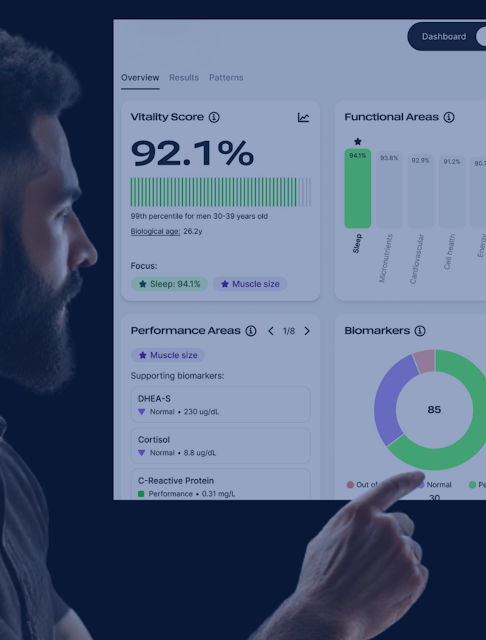
Learn to interpret key biomarkers that influence training, recovery, and long-term wellness goals. This pathway supports advanced work in performance optimization and future study in human physiology.

Linkedin (1.802 x 2.375 in)

LinkedIn Networking
Specialist

Enhance your professional presence and networking strategy to attract clients and career opportunities. This pathway supports job placement readiness and aligns with degree-level professional development tracks.

Launch Yourself (1.802 x 2.375 in)

Influencer Marketing: Launch You

Learn to create content, grow audiences, and build authentic partnerships in the wellness space. This pathway expands digital career opportunities and pairs well with coaching and nutrition programs.

Entrepreneur Tool Kit

Entrepreneurship
Toolkit

Develop essential business skills to launch, market, and operate a fitness or wellness brand. This pathway supports independent professionals and integrates with business or leadership-focused coursework.